
Do you need a permit for a porta potty in Maple Grove?
That depends on placement, and it is the first thing to sort out before you book a porta potty rental in Maple Grove. A unit dropped in a driveway, backyard, or job site laydown area on private property generally does not trigger city review. A unit set on a street, sidewalk, boulevard, or any public right of way is a different question, and that placement needs confirming with the city directly. We are not going to guess at an ordinance number here because permit rules vary block to block and change without much notice. If your project sits close to a curb cut or a city easement, call before you commit to a spot. This same rule of thumb applies whether you are renting a standard porta potty for a home remodel or a full construction site services package with a dumpster and a fence line. A lot of Maple Grove homeowners doing a home renovation porta potty job never touch the right of way at all. Contractors working tighter urban lots are the ones who usually need to ask.
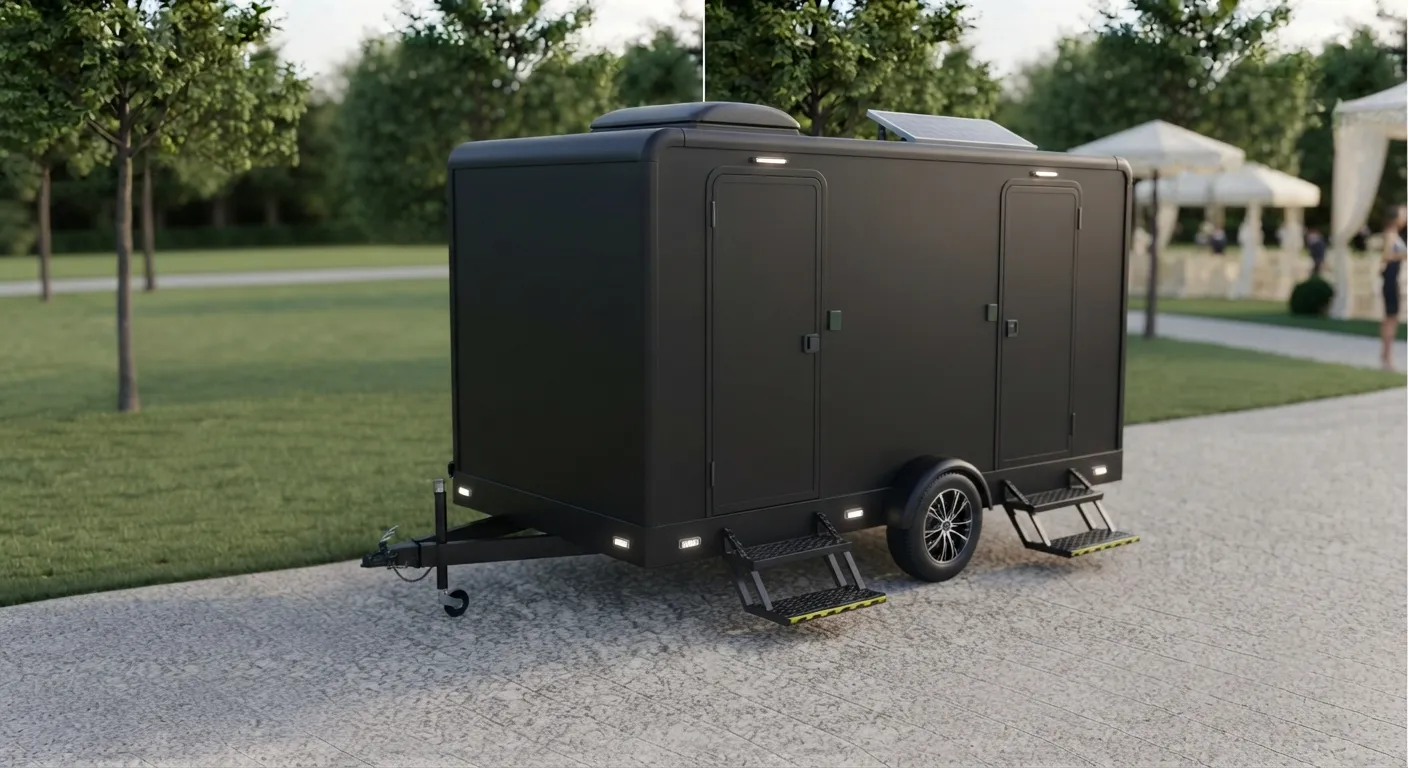
Where can you legally place a porta potty on a job site?
Placement rules are mostly about access, stability, and keeping the unit out of anyone's way, and our porta potty placement guide walks through this in more depth. The unit needs level, stable ground. ADA Standards section 302.1 calls for stable, firm, slip resistant surfaces, which matters most if you are placing an ADA accessible porta potty on a site with any foot traffic diversity. Keep a clear path to the unit. ADA Standards section 403.5.1 sets a 36 inch minimum clear width for an accessible route, and the door itself needs a 32 inch clear opening under ADA Standards section 404.2.3. On active construction sites, OSHA 1926.51(c)(1) sets the toilet ratio: one unit per 20 workers or fewer, scaling up from there. Illumination near the unit matters too if crews work early or late, per OSHA 1926.56(a). None of this replaces a right-of-way check with the city. It just tells you where the unit belongs once placement is cleared.
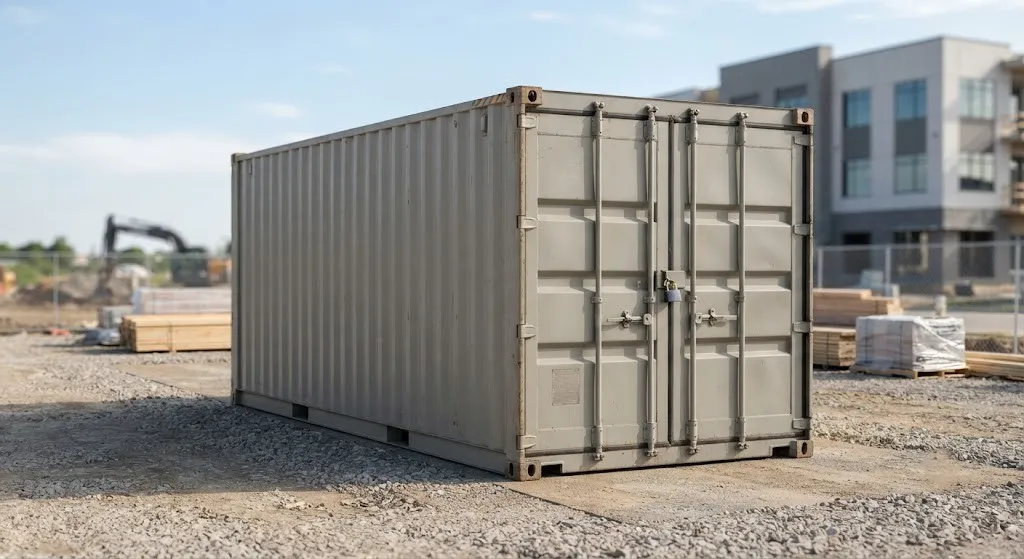
What are the rules for dumpster placement and permits?
A roll-off dumpster rental faces the same private-versus-public divide as a porta potty, and the delivery truck needs about 60 feet of straight clearance behind it to set the box down safely. That clearance requirement alone rules out a lot of tight urban curbsides even before permitting comes up. If the dumpster sits entirely on your property, in a driveway or a fenced yard, you are usually clear. If it needs to sit on the street, in Maple Grove or in any city with similar right-of-way rules, that is a permit-for-dumpster-on-street situation and it needs a call to the city, not an assumption. This is true whether you are dealing with dumpster permit questions in Maple Grove or comparing notes with a contractor handling a Jersey City dumpster permit or a Delaware porta potty rental on a different job. Rules are hyper local. Our dumpster permit requirements page covers what to ask before delivery. Once it is placed, keep debris and scrap clear of the surrounding work area under OSHA 1926.25, and know what is off limits before you fill it by checking what cannot go in a dumpster and reviewing dumpster weight limits so the load stays legal on pickup day.
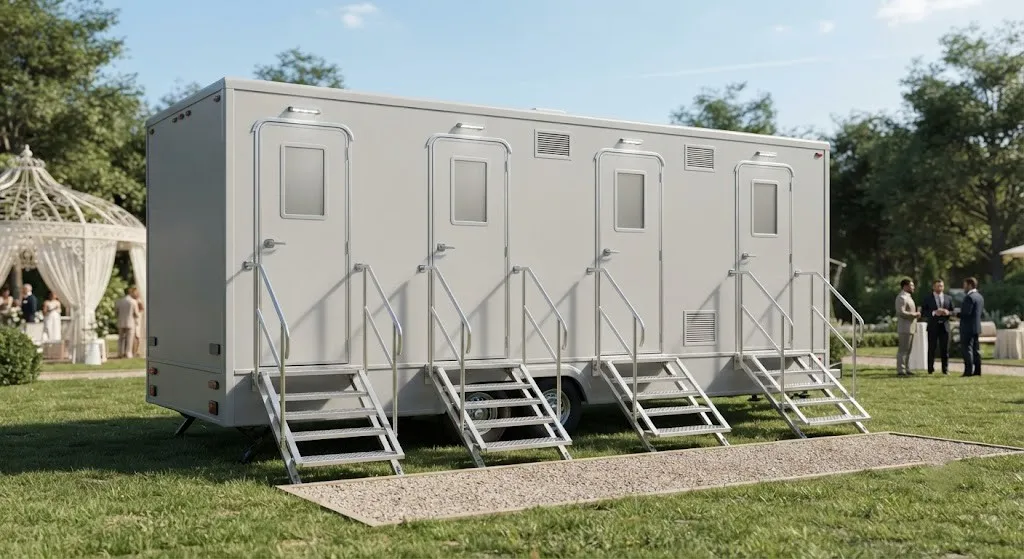
Does a temporary power pole need a permit too?
Usually yes, and this one is worth flagging even though it is not the main subject of this page. A temporary power pole ties into the electrical grid, and that kind of connection almost always draws inspection or permit review from a city or a utility, separate from anything related to portable toilets or dumpsters. If your job site is pulling a light tower rental or running powered equipment near workers, OSHA 1926.404(b)(1)(ii) requires ground fault circuit interrupter protection on the circuit. Treat the power pole permit as its own line item in your planning, not something bundled into your porta potty or dumpster paperwork. Sites juggling several rentals at once, toilets, a dumpster, a fence line, a power pole, benefit from working through a single porta potty rental checklist so nothing gets missed. If your crew works with paints, coatings, herbicides or insecticides on site, washing facilities are required under OSHA 1926.51(f)(1), which is worth pairing with a handwashing station rental regardless of what the city says about the power pole.
Frequently asked questions
Does Maple Grove require a permit for a porta potty in my driveway?
No, generally not. A unit placed on private property, like a driveway, side yard, or fenced lot, typically does not need city permitting. The question only gets complicated once any part of the unit or delivery path crosses into a public street or sidewalk.
Do I need a permit to put a dumpster on the street?
In most cities, yes, and Maple Grove needs confirming directly since rules vary by block and by right-of-way type. Keep the dumpster on your property if you can. It saves the phone call and the wait.
How many porta potties does OSHA require on a job site?
OSHA 1926.51(c)(1) sets one toilet facility per 20 workers or fewer, then scales up in steps as headcount grows. Our how many porta potties do I need guide breaks the math down by crew size and shift length.
Does an accessible unit need its own permit?
No separate permit, but it does need to meet spec. ADA Standards section 213.2 requires at least 5 percent of clustered single-user units to be accessible, and never fewer than one. Placement still follows the same right-of-way rules as any other unit.
Who do I call to confirm right-of-way rules in Maple Grove?
Call the city directly before delivery day, since placement rules for a curb, sidewalk, or boulevard are not standardized nationwide. Maple Grove Porta Pros can flag a likely right-of-way situation during quoting, through request a quote, but the city has final say.
Next step
Get a delivery date
Tell us the address, the dates and the headcount. We size the order and confirm the route.