
What Does OSHA Require for Farm Sanitation?
Farms that hire hand-labor workers fall under OSHA 1928.110, a field sanitation standard separate from the general construction rule. It calls for potable water, toilet facilities, and handwashing access, and it sets the ratio at one facility per 20 employees. The catch that trips up a lot of growers: that facility has to sit within a quarter mile of where people are actually working, not back at the yard. If your crew moves across a section during the day, that means either multiple units or a plan to relocate one as the work shifts. Maple Grove Porta Pros builds routes around that, dropping standard porta potty rental units at field access points so nobody's walking a half mile on a lunch break. We also carry handwashing station rental units to pair with them, since the field sanitation standard expects water for washing, not just a toilet. For crews handling produce, that pairing matters for food safety audits too, not just OSHA compliance. If you're unsure how many units your acreage and crew size actually require, our how many porta potties do I need guide walks through the math, and the full OSHA portable toilet requirements page covers the construction-site version of the rule if you run mixed crews.
How Many Units Does a Maple Grove Farm Need?
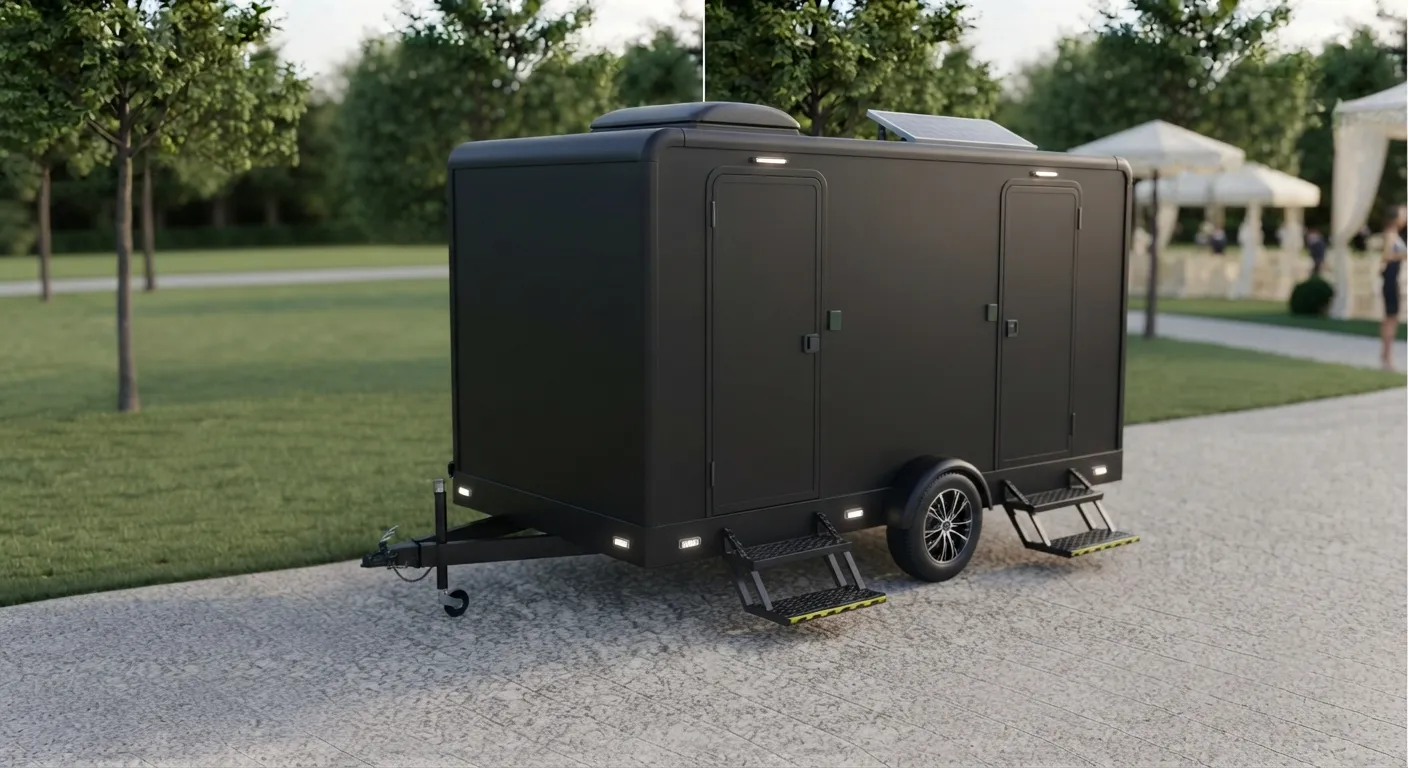
Crew size drives the count more than acreage does. A 15-person picking crew during a fall harvest push needs one unit under the field sanitation ratio; a 45-person crew needs three, spread across the working area rather than clustered at one gate. Seasonal operations near Maple Grove often rent standard porta potty rental units by the month during a long growing season, then add units short-term for harvest weeks. Monthly rates for a standard unit run in the $125 to $325 range depending on service frequency and how many units you're placing, and weekly rates sit lower per-unit if you're only covering a few weeks of active labor. If your operation includes packing sheds or processing areas where employees handle equipment cleaners, OSHA 1926.51(f)(1) requires washing facilities specifically for that contaminant exposure, separate from the general field sanitation water supply. We also place deluxe flushable porta potty units for farm offices or for owners hosting agritourism visitors, since a flushable unit reads better to the public than a standard one. For operations pumping a septic system tied to a farmhouse or bunkhouse, a typical 1,000-gallon residential tank needs pumping every 3 to 5 years, and our septic pumping service page covers scheduling that around your busy season instead of during it.
Where on the Property Should Units Go?
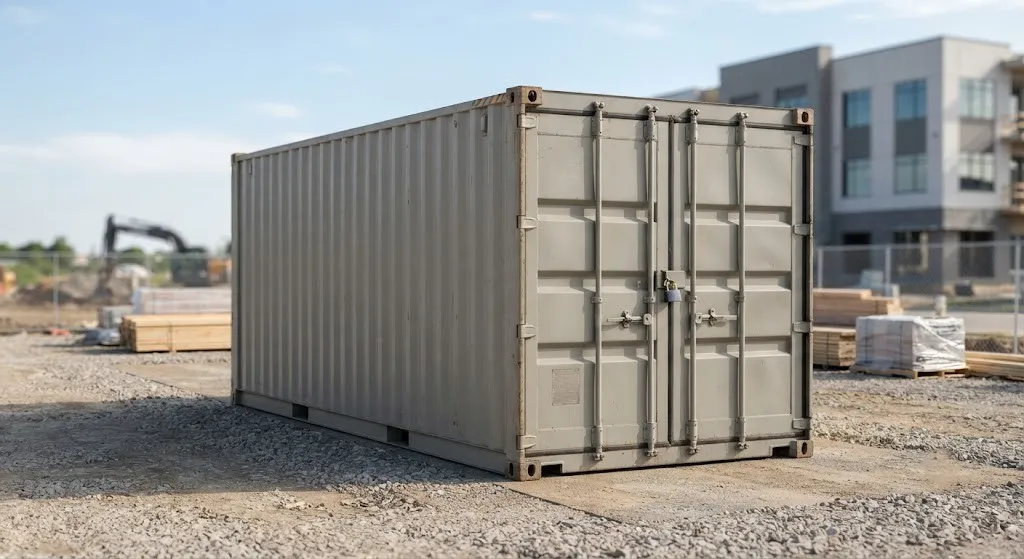
Placement comes down to access and ground stability. Service trucks need roughly 60 feet of straight clearance to position a roll-off, and a similar clear approach helps for regular porta potty pump-outs on soft field edges after Minnesota's spring thaw. Gravel pads or packed farm lanes work better than low ground that turns to mud. If your farm sits close to Anoka, about 10.8 miles northeast of Maple Grove, or nearer Brooklyn Center at 9.2 miles southeast, our service routes already run past both, so adding a rural stop rarely changes your schedule. We follow ANSI/PSAI Z4.3, the industry baseline for weekly servicing on units seeing regular use, though high-traffic harvest periods often call for twice-weekly visits instead. Our porta potty placement guide covers ground surface, wind exposure, and distance from wells, which matters more on a farm than on a paved job site. If you're setting up for a farm stand, fall festival, or wedding barn event alongside daily farm operations, look at our farm and agricultural restrooms cluster page for combining event-grade and worker-grade units on one visit, and check event restroom rental if the public will be on-site too. Winter operations should also read porta potty in winter before locking in a schedule, since a unit that freezes mid-January isn't doing anyone any good.
Frequently asked questions
How much does a farm restroom rental cost in Maple Grove?
A standard unit runs about $150 to $500 a week depending on service frequency and unit count; monthly rentals for a season-long placement land between $125 and $325 per unit. Our porta potty monthly rental page breaks down exact tiers by duration.
Do I need a permit to place a porta potty on my own farm?
Placement on private agricultural land generally differs from placement in a public right of way, and that public-road question needs confirming with the city. Check our porta potty permit requirements page before setting units near a road frontage.
Can one unit serve a crew spread across multiple fields?
Not under the quarter-mile rule in OSHA 1928.110. If workers are spread past that walking distance, you need a second unit positioned closer to that group, or a plan to relocate the unit as work moves.
How often do farm units get serviced during harvest?
Weekly servicing is the standard baseline for units under regular use, though high-volume harvest weeks often move to twice weekly. See how often are porta potties cleaned for how we schedule around your crew size.
What about handwashing for produce handling crews?
A toilet alone doesn't satisfy food-safety washing expectations. Pair units with a handwashing station rental stocked with soap and towels, consistent with 29 CFR 1910.141(d)(2), which specifically requires soap and towels or a drying device over sanitizer alone.
Next step
Get a delivery date
Tell us the address, the dates and the headcount. We size the order and confirm the route.