
How many restrooms does a race actually need?
Runner count drives the number, but so does course layout. A start line corral holds a crowd standing still for 20 to 30 minutes before the gun, so that's where the heaviest cluster of units goes. Mid-course aid stations need one or two units each, spaced along the route rather than bunched. The finish area needs the second-largest cluster, because finishers linger for water, food and family. Standard porta potty rental units cover most of this, priced by the day in the $100 to $350 range depending on count and add-ons, and OSHA 1926.51(c) sets the general ratio logic race organizers often borrow from: one toilet for smaller groups, scaling up per additional block of workers or, in this case, runners passing through. If your race draws a wheelchair division or has spectators with mobility needs, ADA accessible porta potty units are required at a minimum ratio under ADA Standards 213.2, which calls for at least one accessible unit in any cluster, five percent of the total once you scale up. Race directors in Maple Grove should also check porta potty permit requirements early, since placement in city parks or on public right of way needs sign-off from the city before delivery trucks arrive. Use our how many porta potties do I need guide to size the full order before you request a quote.
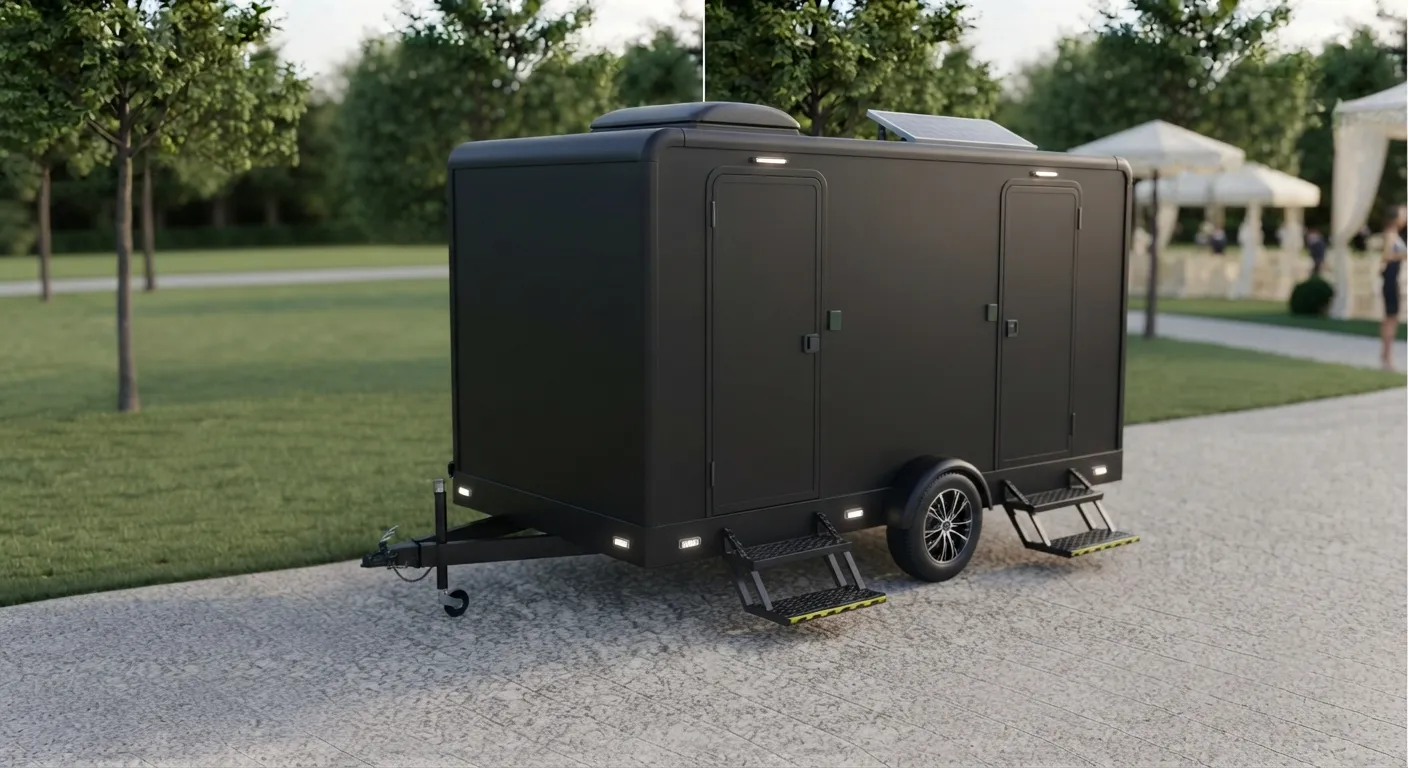
Where should units go along the course?
Placement matters more for a race than for a static job site, because runners are moving and courses often close streets. Units belong at the start corral, at least one aid station past mile 2, and a heavy cluster at the finish. Keep every unit on a stable, level pad. ADA Standards 302.1 requires the ground under an accessible unit to be firm and slip resistant, which rules out soft turf or loose gravel for those specific placements. Standard units stand about 92 inches tall and sit on a footprint near 44 by 48 inches, so tight sidewalk closures or narrow park paths can still fit a row of them if you plan the layout with our crew ahead of time. Races that route through wooded trail sections or park loops sometimes also need a light tower or temporary power pole at a staging area for early morning setup before sunrise. Knowing how to brace a temporary power pole matters here: set the base plate on firm, level ground, not soft turf, and guy it against wind load on at least two sides, since a loaded pole for overnight lighting or a timing tent will shift if the ground gives overnight. For events near Maple Grove parks with limited vehicle access, our porta potty placement guide covers turning radius and clearance so the delivery truck isn't fighting a cul-de-sac at 5 a.m. Races that also need a fenced staging or gear-check area can add temporary fence rental or crowd control barrier rental to the same delivery.
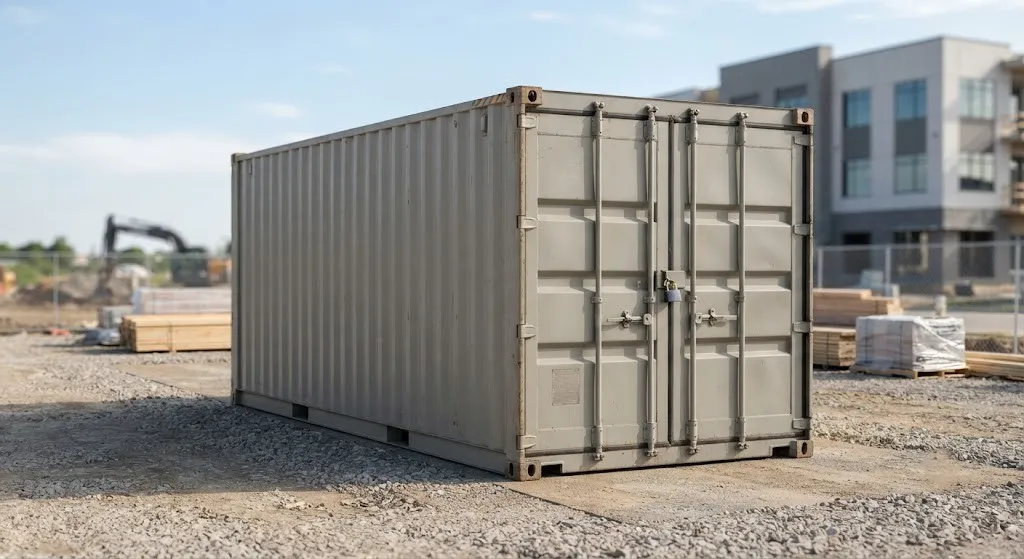
What else does a race day site need besides toilets?
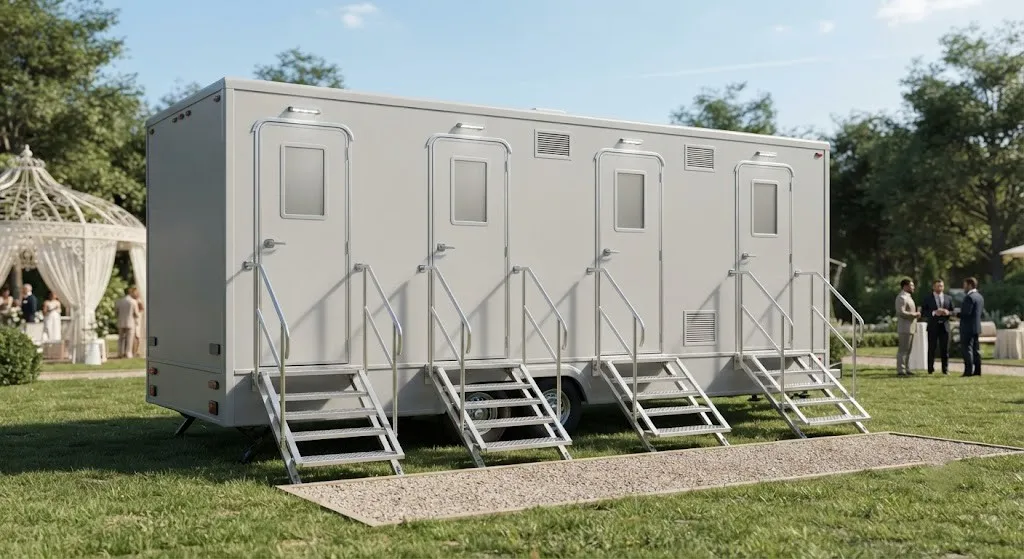
Hydration stations and gear check tables mean hands touching food, water cups and shared equipment all morning, and 29 CFR 1910.141(d)(2) requires washing facilities stocked with soap and towels, not sanitizer alone, wherever handwashing is called for. A handwashing station rental or portable sink rental at the aid stations covers that requirement without adding plumbing. Bigger races with VIP tents, timing officials or a beer garden after the finish often step up to a deluxe flushable porta potty or a small restroom trailer rental for a nicer experience near the finish line stage. A 2 stall restroom trailer handles a modest VIP area; larger festivals pair well with a 4 stall restroom trailer. Trash from a few thousand runners adds up fast too, so a roll-off dumpster rental staged near the finish area keeps cups and gear wrappers from drifting across the course. For races anchored to a fairground-style venue, check our festival restroom rental and county fair restrooms pages for larger crowd math. Runners driving in from Brooklyn Center, 9.2 miles southeast, or Anoka, 10.8 miles northeast, add to parking lot demand too, so build in a satellite cluster near overflow lots.
Frequently asked questions
How far in advance should we book race restrooms?
Book as soon as your course and headcount are set, ideally 4 to 6 weeks out for a mid-size race in Maple Grove. Peak race season fills delivery slots fast, and permit review through the city can take time too. Early booking also locks in placement near your start and finish before other events grab the same weekend.
Do we need ADA units for a running race?
Yes, if your race has any wheelchair division, adaptive athletes or spectators with mobility needs. ADA Standards 213.2 sets the minimum: at least one accessible unit per cluster, five percent once you scale up. Place them on firm, level ground per ADA Standards 302.1, not on grass or gravel.
Can units be moved mid-race for a rolling road closure?
Units are placed before the race starts and generally stay put through the event; moving them mid-race isn't standard practice. Instead, we place clusters at fixed points along the closed course, aid stations and the finish, so runners always pass a unit within a reasonable distance.
What does a typical race day restroom order cost?
Standard units run $100 to $350 per day depending on count and location, per our measured pricing. A larger race with 10 or more units, an ADA unit and a handwashing station will land toward the higher end of that range. Request a quote with your headcount for an exact figure.
Do you deliver early enough for a sunrise start?
Yes, early morning delivery is standard for race events. Tell us your gun time when you request a quote or check our emergency porta potty rental option if plans change late in race week.
Next step
Get a delivery date
Tell us the address, the dates and the headcount. We size the order and confirm the route.