
How many restrooms does a county fair need?
Start with your busiest single hour, not your daily attendance number, because that is when lines form. Our sizing guide walks through the math, but the short version: fairs cluster people around stages, food rows and livestock barns, so you need restrooms at each cluster, not just one bank near the entrance. A typical fairground layout in Maple Grove works well with groupings of standard units spread across the grounds, one ADA accessible unit per grouping, and a couple of handwashing stations near food vendors.
ADA Standards section 213.2 requires that where single-user portable units are clustered, at least 5 percent be accessible, with a minimum of one per cluster. That is not optional for a public event, and it is easy to under-plan if you only count total units instead of counting clusters. If your fair has a beer garden, a livestock barn, and a midway, that is three clusters, three ADA units, minimum.
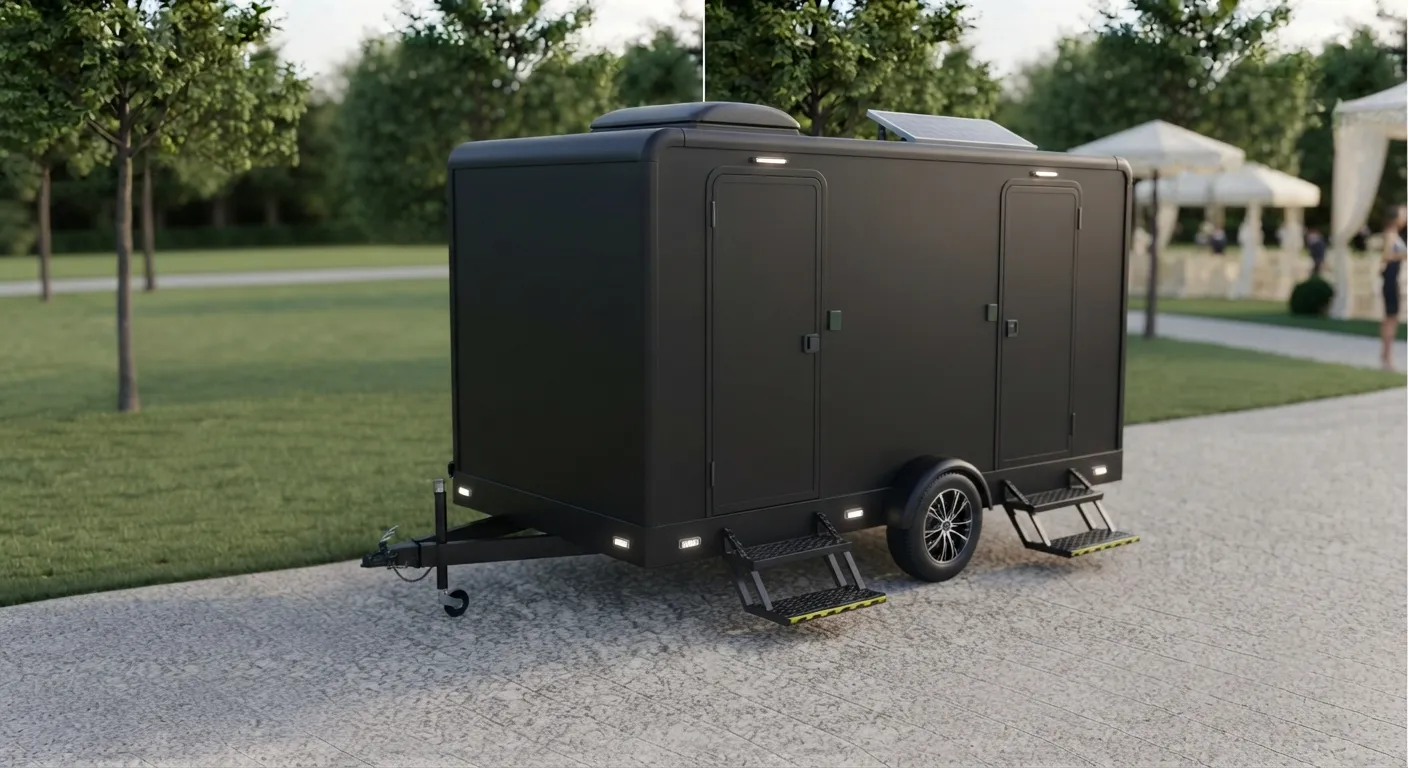
Bigger fairs add a restroom trailer near the grandstand or main stage, since trailers handle higher volume without the line backup single units get. A 4 stall restroom trailer or 8 stall restroom trailer works well for grandstand crowds; a 2 stall restroom trailer can cover a smaller vendor row. For layout help before you commit to a spot, check the porta potty placement guide so units land on stable, level ground with truck access for service.
What does it cost to rent fair restrooms in Maple Grove?
Fair pricing depends on unit mix and rental length, and most fairs run a single weekend or a full week. Below are the bands that apply.
| unit | day | week | weekend |
|---|---|---|---|
| standard | $100 - $350 | $130 - $500 | $125 - $400 |
| ada | $200 - $400 | $240 - $500 | $199 - $300 |
| deluxe | $85 - $1200 | $150 - $290 | -- |
| trailer | $175 - $2500 | $1650 - $3500 | $900 - $3000 |
A multi-day event booking often runs closer to the event-duration bands we quote for festival restroom rental and concert restroom rental, since fairs run in that same three-to-five-day window. Delivery adds a separate fee, and service visits during the run are built into most fair quotes rather than billed per stop. For a full breakdown of what drives the number up or down, see our porta potty rental cost page, or the porta potty rental per day page if you are only running a single day.
Fairs with food vendors frying or grilling on site should also budget for extra service frequency. ANSI/PSAI Z4.3 sets one service visit per week for up to 10 users over a 40 hour week as the baseline, but a fair crowd blows past that in a single afternoon, so most fairground contracts schedule daily or twice-daily service instead of the standard interval.
Do county fairs need handwashing stations separate from restrooms?
Yes, especially near food. OSHA 1926.51(f)(1) requires washing facilities where workers apply paints, coatings, herbicides or insecticides, but that rule does not cover general fairground handwashing. What does apply is 29 CFR 1910.141(d)(2), which requires washing facilities to include soap and towels or a hand-drying device; hand sanitizer alone does not satisfy it. That matters for any fair with a petting zoo, livestock barn, or food prep tent, all common at county fairs.
Placing portable sink units at barn entrances and food vendor rows keeps hands clean between animal contact and eating, which fairground managers care about more than most other event types. A hand sanitizer station can supplement but should not replace a real sink setup near food service. If your fair also runs a farm exhibit or 4-H area, our farm and agricultural restrooms page covers barn-specific placement, and OSHA 1928.110 sets a similar standard for agricultural field sanitation: one facility per 20 workers, reachable within a quarter mile.
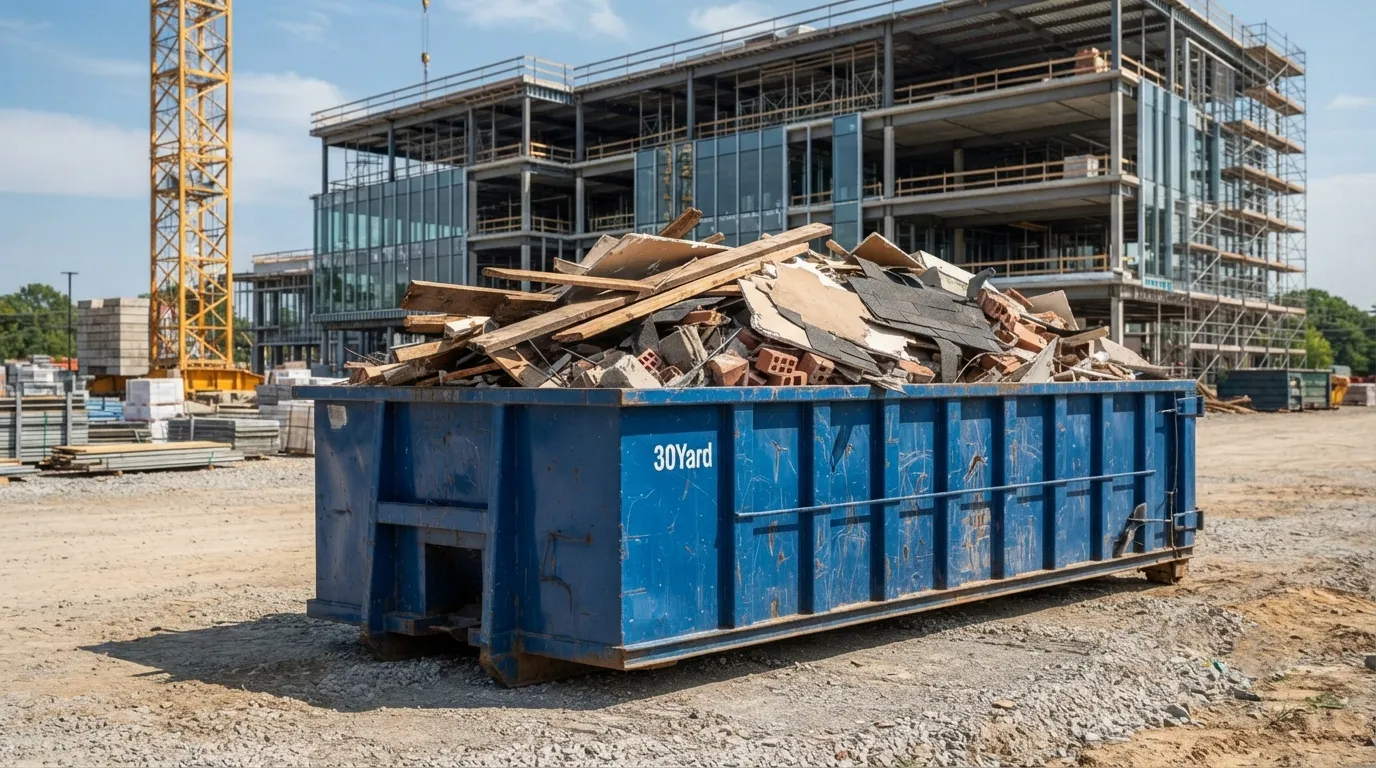
Maple Grove fairground sites also need to think about waste beyond restrooms. A roll-off dumpster rental or two handles vendor trash and food waste, and temporary fence rental keeps crowds off staging areas and livestock pens. If the fairground doesn't have permanent power near your restroom cluster, a light tower rental or temporary power pole keeps evening hours lit and safe.
Frequently asked questions
How far in advance should we book fair restrooms?
Book as soon as your date and headcount are set, ideally two to three months out. Fair season overlaps with wedding and festival season regionally, so trailers and ADA units get reserved early. A request a quote with your gate estimate gets you an accurate unit count fast.
Can we get restrooms for a multi-day fair without daily pickup?
Yes. Units stay on site for the full run with scheduled service visits, not daily pickup and redelivery. That is standard for event restroom rental bookings and keeps costs down compared to renting fresh each day.
Do we need a permit to place restrooms on fairground property?
Placement often needs confirming with the city, especially if units sit near a public right of way or shared parking area. Check our porta potty permit requirements page and contact Maple Grove before finalizing your site map.
What is the difference between standard and deluxe units for a fair?
Standard units cover general foot traffic at a lower cost. Deluxe flushable units add flush mechanisms and interior features, better suited to VIP areas, sponsor tents, or grandstand seating where guests expect more.
How close should restrooms be to food vendor rows?
Close enough to encourage handwashing but not so close that odor reaches food tents. A gap of one row back, paired with a dedicated handwashing station at the vendor row itself, works well for most Maple Grove fairground layouts.
Next step
Get a delivery date
Tell us the address, the dates and the headcount. We size the order and confirm the route.